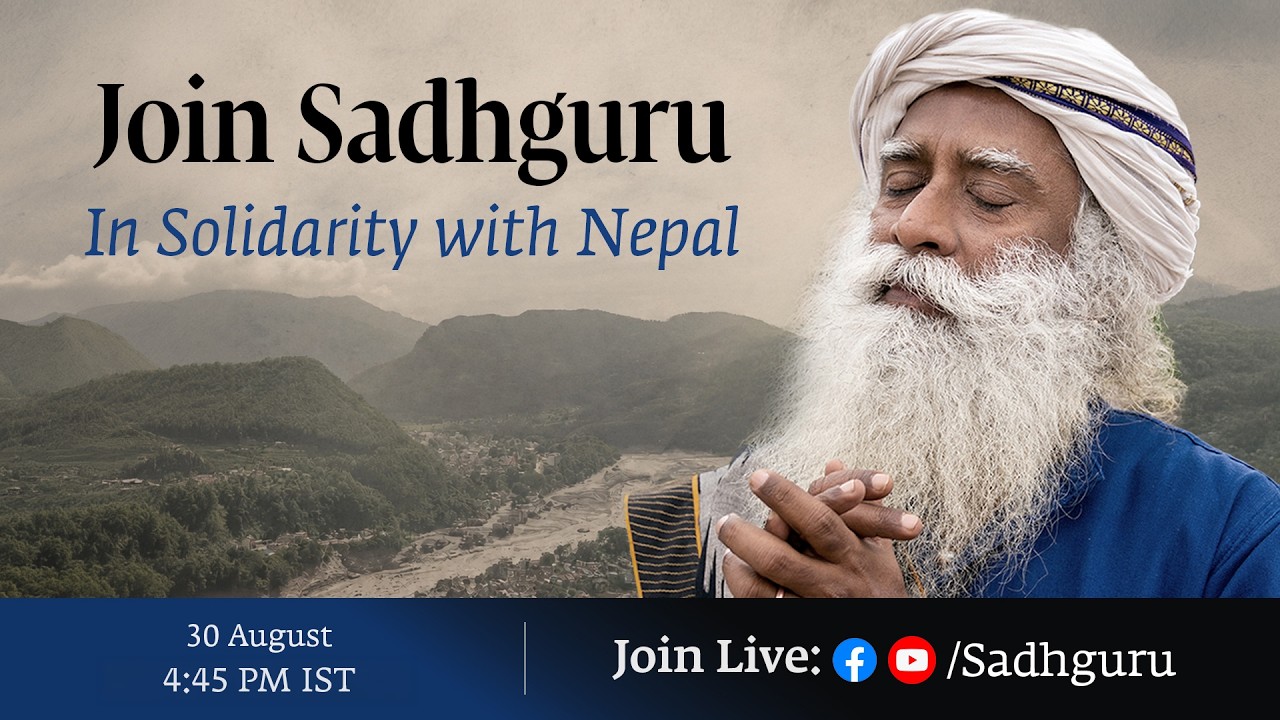
TL;DR: The question "Should you pray to God?" isn't answered by doctrine or faith tradition—it depends on what you're actually seeking. Prayer functions not as petition to an external force, but as a mechanism for aligning your inner being with what you genuinely desire. Whether prayer "works" hinges on understanding consciousness itself: if you're trying to change your internal state or align with something larger than your individual will, structured devotion and prayer can be potent tools. But if you approach it mechanically or with the expectation that an external power will intervene without inner participation, you've misunderstood the mechanism entirely.
What Is Prayer Actually Doing?
The common framing of prayer assumes an external God listening and responding to requests. But this framework misses something fundamental about how prayer functions. When you pray with sincerity—not as rote recitation but as genuine yearning—you're initiating an inward shift. Your entire nervous system, attention, and intention align around what you're asking for. This alignment creates a different state of being.
Consider: if you pray for health, patience, or clarity, you're not necessarily asking a cosmic administrator to grant your wish. Instead, you're organizing your consciousness around that intention. Your body responds to your mental states. Your choices become different when your inner orientation has changed. The "answer" to prayer is often the transformation that occurs within you—a change in perception, priority, or capacity that makes what you sought either manifest naturally or become irrelevant.
This is why sincere prayer can be effective regardless of whether you believe in a personal God. What matters is the interior work—the alignment, the intention, the willingness to hold a vision of something beyond your current state. Many traditions recognize this: Sufis, Hindu bhakti practitioners, and Christian contemplatives all describe prayer as a way to dissolve the boundaries between the petitioner and what is sought.
Does God Exist, and Does It Matter for Prayer?
The intellectual question of God's existence becomes less urgent when you understand prayer functionally. If you define God as the ultimate source, the totality of existence, or consciousness itself, then "God" isn't absent or external—it's the very fabric of being you're already embedded in. Prayer then becomes not a plea to something distant, but an act of attunement to what already is.
Some people thrive with a personal God—a relationship of devotion and dialogue. Others find that framework limiting. Neither approach invalidates prayer's efficacy. What matters is honest engagement with your own consciousness. If conceiving of a deity helps you access genuine sincerity, vulnerability, and aspiration, then that framework serves you. If it feels dishonest or creates resistance, a different approach—meditation, contemplative practice, simple intention-setting—may work better.
The real problem arises when prayer becomes mechanical: reciting words without inner participation, expecting external rescue without taking responsibility for your own development, or using prayer as a substitute for action and awareness. Prayer is most powerful when it's paired with effort—when you're asking for clarity and simultaneously becoming more attentive, praying for strength while building your capacity, seeking guidance while staying open to what unfolds.
The Role of Devotion and Surrender
Genuine prayer often involves an element of surrender—releasing your tight grip on how things should be and opening to what wants to happen. This isn't passivity; it's the opposite. Surrender is an active relinquishment of your contracted, ego-driven insistence on outcomes. When you're no longer locked in the belief that only your plan will work, you become available to larger possibilities.
Devotion—whether to God, to a teacher, to truth, or to consciousness itself—creates a container for this surrender. Devotion says: "I want something larger than my personal desires, and I'm willing to be shaped by that wanting." This is why many spiritual traditions emphasize devotion as a path. It's a way of training your being to hold sacred intention without desperation or grasping.
But devotion without understanding becomes blind faith, which can be dangerous. The most mature prayer combines devotion with discernment—you're sincere in your asking, you're surrendered to what unfolds, and you remain conscious enough to distinguish between ego desires dressed in spiritual language and genuine yearning for evolution or truth.
What About If You Don't Believe?
If you're skeptical of prayer or religious frameworks, dismissing prayer entirely may cost you access to a powerful tool. The mechanism of prayer—aligning consciousness with intention, holding a vision sincerely, organizing your being around what matters—works independent of theological belief. Atheists and agnostics can benefit from these practices by reframing them: instead of praying to God, you might set intentions, visualize clearly, or sit in contemplation of what you genuinely value.
The resistance to prayer often comes from rejecting authoritarian or superstitious versions of religion. But prayer itself is neutral technology. You can use it cynically (expecting rescue without participation), religiously (within a faith tradition), or pragmatically (as a consciousness-aligning practice). The results depend on the sincerity and depth of your engagement, not on your doctrinal beliefs.
Many secular contemplatives and scientists recognize that sustained mental focus, clear intention, and emotional alignment toward a goal create measurable changes in behavior, physiology, and outcomes. Prayer is one language for this; mindfulness, visualization, and affirmation are others. The mechanism is the same: you're reorganizing your consciousness, which reorganizes your choices, attention, and receptivity.
The Paradox: Ask Without Grasping
There's a paradox at the heart of effective prayer: you must ask sincerely, yet release your need for a specific answer. You must yearn deeply, yet not cling to outcomes. This paradox is resolved in the understanding that true prayer isn't about controlling external reality—it's about transforming your internal state so that you're no longer suffering the separate, contracted version of yourself.
When you pray for someone else's healing, your own nervous system shifts. When you pray for your own clarity, you become more attentive to clarity when it appears. When you pray for courage, you begin identifying with courage rather than fear. The "answer" is the reorganization of your consciousness, not an external miracle—though sometimes, when consciousness shifts dramatically, external circumstances shift too, because you're now operating from a different baseline.
This is why prayer can seem both incredibly powerful and entirely ineffective depending on how you measure it. If you're measuring whether an external God grants your specific request on your timeline, you'll often be disappointed. If you're measuring whether sincere prayer deepens your consciousness, clarifies your intentions, and makes you a more aligned and capable person, you'll likely find it profoundly effective.
When Prayer Becomes a Problem
Prayer becomes problematic when it's used to avoid responsibility, to blame God for suffering, or to maintain unconscious patterns under the guise of devotion. If you're praying passively while refusing to educate yourself or take action on something that requires both, you've misunderstood prayer's function. If you're praying to change someone else fundamentally without respecting their autonomy, you're using prayer as an instrument of control.
Healthy prayer acknowledges that you're part of the answer. You pray for health and you also move your body, eat well, and address stress. You pray for abundance and you also develop skills and take opportunities. You pray for relationships and you also work on your own emotional maturity. Prayer and participation are not opposed—they're woven together.
Similarly, prayer that relies on magical thinking—expecting that sincere words will override physical laws or produce results without any participation—sets you up for disillusionment. The promise of prayer is not that you can escape the laws of existence, but that you can align yourself with those laws, access your full capability, and find meaning even in difficulty.
Where to Go From Here
If you're drawn to prayer, start by getting honest about what you're actually seeking. Are you asking for rescue, or for the capacity to meet your life more fully? Are you seeking a relationship with something larger, or genuine transformation? Different answers point toward different practices. Some may find traditional prayer in a faith context resonates. Others might sit in meditation, hold clear intentions, or engage in artistic or service-oriented practices that organize consciousness around what matters.
If you're skeptical of prayer, consider experimenting with the mechanism without the theological framework. Set a clear intention. Return to it daily. Notice how your attention, choices, and receptivity shift when you're consciously aligned with something. You may find that you're already praying—just in different language.
Ultimately, whether you pray depends on whether the practice helps you access greater sincerity, alignment, capability, and openness. The question isn't "Should you pray?" but "What practices most reliably connect you with your deepest values and potential?" For some, that's prayer. For others, it's meditation, study, service, or art. What matters is not the form, but the depth and honesty of the engagement.