EveryEvent San Diego

Browse All Events

Find every event in San Diego

events

Concerts & Live Music
Festivals
Sports & Recreation
Food & Drink
Arts & Culture
Community
Family & Kids
Nightlife
Comedy
Theater
Popular Destinations
BaliSedonaLos AngelesCosta RicaNew YorkSan FranciscoAustinMiamiJoshua TreeTulum
View All CategoriesView All Destinations

Explore All Features

Powerful tools to grow your events

Platform Features

Smart Dynamic Pricing
Ticket Categories
Assigned Seating
Abandoned Cart Recovery
Visitor Recovery
Donations & Sliding Scale
Affiliate Engine
Ticket Scanner
Coupon Codes
Custom Questions
Ticket Sharing
Upsells & Add-ons
Analytics & Reporting
Email Sequences
Waitlist / Notify / Remind
Explore
Discovery HubArtists & PerformersVenuesKnowledge Base
View All FeaturesAbout Us
PricingBlog
Language
Saved events
Browse All Events

events

Concerts & Live MusicFestivalsSports & RecreationFood & DrinkArts & CultureCommunityFamily & KidsNightlife

Popular Destinations

BaliSedonaLos AngelesCosta RicaNew YorkSan Francisco

Explore

Discovery HubArtists & PerformersVenuesKnowledge Base

Platform Features

Smart Dynamic PricingTicket CategoriesAssigned SeatingAbandoned Cart RecoveryVisitor RecoveryDonations & Sliding ScaleAffiliate EngineTicket ScannerCoupon CodesCustom QuestionsTicket SharingUpsells & Add-onsAnalytics & ReportingEmail SequencesWaitlist / Notify / Remind
View All FeaturesAbout Us
PricingBlog
Log inSign UpEvent Organizers
  • Browse All Events
  • Concerts & Live Music
  • Festivals
  • Sports & Recreation
  • Food & Drink
  • Arts & Culture
  • Community
  • Family & Kids
  • Nightlife
  • All Categories →
  • Los Angeles
  • Tijuana
  • Palm Springs
  • Joshua Tree
  • Temecula
  • All Destinations →
  • For Promoters
  • For Artists
  • For Venues
  • For Festivals
  • For Event Spaces
  • For Nonprofits
  • For Bloggers
  • For Speakers
  • Brand Ambassador
  • Case Studies
  • 350K+ Buyer Network
  • Abandoned Cart Recovery
  • Smart Dynamic Pricing
  • Ticket Categories
  • Recurring Events
  • Assigned Seating
  • Affiliate Engine
  • Waitlist / Notify
  • Ticket Scanner
  • Embed Widget
  • Event Syndication
  • Message Center
  • Integrations
  • Reports
  • All Features →
  • About
  • The Ecosystem
  • Blog
  • Glossary
  • Inspiration
  • Help Center
  • Contact
  • API Docs
  • Brand Assets
  • Careers
  • Press
  • Terms of Service
  • Privacy Policy

Events

  • Browse All Events
  • Concerts & Live Music
  • Festivals
  • Sports & Recreation
  • Food & Drink
  • Arts & Culture
  • Community
  • Family & Kids
  • Nightlife
  • All Categories →

Getaways

  • Los Angeles
  • Tijuana
  • Palm Springs
  • Joshua Tree
  • Temecula
  • All Destinations →

For Organizers

  • For Promoters
  • For Artists
  • For Venues
  • For Festivals
  • For Event Spaces
  • For Nonprofits
  • For Bloggers
  • For Speakers
  • Brand Ambassador
  • Case Studies

Features

  • 350K+ Buyer Network
  • Abandoned Cart Recovery
  • Smart Dynamic Pricing
  • Ticket Categories
  • Recurring Events
  • Assigned Seating
  • Affiliate Engine
  • Waitlist / Notify
  • Ticket Scanner
  • Embed Widget
  • Event Syndication
  • Message Center
  • Integrations
  • Reports
  • All Features →

Company

  • About
  • The Ecosystem
  • Blog
  • Glossary
  • Inspiration
  • Help Center
  • Contact
  • API Docs
  • Brand Assets
  • Careers
  • Press
  • Terms of Service
  • Privacy Policy
EveryEvent
© 2026 EveryEvent San Diego. All rights reserved.
Inspiration

Skipping as a Form ofEmbodied Presence and Joy

Todd Boston
Todd Boston
Oct 16, 2015
5 min read

Skipping is a deceptively simple practice that invites us into embodied presence, releasing the body from habitual tension and self-consciousness. Through the rhythmic, bouncing motion of skipping, we reconnect with the uninhibited joy and aliveness available to children, while simultaneously arriving in the present moment where the body's natural intelligence can emerge. Rather than a trivial activity, skipping functions as a form of somatic practice—a doorway into freedom from thought patterns and a gateway to genuine presence.

Read · 6 sections

Why Skipping Matters as a Somatic Practice

In a culture dominated by seated, screen-based activity, skipping represents a radical return to movement literacy and embodied aliveness. The body holds tremendous wisdom, yet most modern adults have abandoned the spontaneous, joyful movements of childhood in favor of constrained, efficient gaits. Skipping disrupts this contraction. When we skip, the body enters a state of rhythmic, bouncing motion that engages the entire kinetic chain—ankles, calves, knees, hips, and spine all synchronize in a coordinated pattern that feels both ancient and playful.

The practice invites presence because skipping cannot be done while simultaneously lost in thought or mental rumination. The rhythm demands attention. The body's balance and coordination require real-time feedback. Unlike walking, which we can perform on autopilot, skipping pulls awareness back into sensation, breath, and the immediate physical reality of moving through space. This is the foundation of embodied presence—consciousness residing in the body rather than trapped in conceptual thought.

Reclaiming Childhood Movement Patterns

Children skip without deliberation. There is no analysis, no concern about how the body looks, no judgment about whether the movement is "correct." The child's body moves in response to aliveness itself—to joy, curiosity, and the natural exuberance of a nervous system not yet taxed by accumulated tension and self-consciousness.

As adults, we lose access to this uninhibited expressiveness, not because the body changes, but because the mind layers judgment and self-monitoring onto every gesture. Skipping, in its simplicity, bypasses the adult's editing apparatus. The repetitive, rhythmic quality creates a kind of moving meditation that quiets the critical voice. When we skip, we step partially outside the self-consciousness that constrains most adult movement. The body remembers what it knows: that movement can be light, bouncy, and joyful.

How Skipping Releases Physical Tension

Habitual movement patterns—the way we walk, sit, and hold our bodies—encode stress and constraint. Chronic tension accumulates in the shoulders, jaw, hips, and chest as we navigate a world that often feels demanding or unsafe. Skipping naturally redistributes weight and momentum in a way that creates lightness. The bounce counteracts gravity momentarily; each foot leaves the ground; the rhythm is inherently lifting.

Unlike walking, where the body remains relatively grounded and heavy, skipping introduces levity. The heart rate increases gently. The breath deepens. The nervous system receives signals of play and safety rather than efficiency and control. Over time, and with repeated practice, this physiological shift can begin to untether the body from its habitual contraction patterns. The muscles receive permission to soften. The breath finds a natural rhythm that extends beyond the body's baseline.

The Gateway to Presence Without Effort

Meditation and mindfulness practices ask the mind to quiet itself, often through focused attention on breath or sensation. Skipping achieves something similar but through movement rather than stillness. The rhythmic, whole-body engagement creates a natural state of presence where the analytical mind has nowhere to grip. You cannot skip and simultaneously rehearse anxieties, plan the future, or ruminate on the past. The body's need for coordination and the inherent pleasure of the movement pull consciousness into now.

This is not the effortful presence of meditation practice, where the practitioner must repeatedly notice mind-wandering and gently redirect attention. Skipping invites presence as a natural byproduct of joyful, coordinated movement. The body's intelligence becomes primary. Thought quiets not through suppression but through absorption—the mind is absorbed in the body's actual experience.

Freedom and Aliveness as Natural States

When we skip, we temporarily transcend the self-consciousness that typically constrains adult movement. We inhabit the body more fully. We access a state that might be called aliveness—a felt sense of freedom, lightness, and joy that is not dependent on external circumstances or achievements. This aliveness is not manufactured or forced. It is, instead, the natural response of a nervous system that feels safe enough to express itself without inhibition.

The practice suggests something profound: that freedom and joy are not destinations to be reached through effort, but states we can access by returning to the body's natural rhythms and by releasing the layers of self-judgment that constrain how we move through the world. Skipping is simple, yet it carries within it an invitation to remember that our true nature includes lightness, play, and uninhibited expression.

Where to Go From Here

If skipping resonates, begin with small explorations. Step outside and skip for even one minute, noticing what shifts in your body and awareness. Pay attention to thoughts that arise—resistance, self-consciousness, joy, liberation. Notice whether the practice feels more available in privacy or whether you can gradually expand into doing it in public spaces. Explore what happens to your nervous system, your breath, and your overall sense of aliveness after a period of regular skipping. Consider how this simple practice might inform other areas of movement and embodiment in your life.


Todd Boston
AuthorTodd Boston

Todd Boston is a composer and fingerstyle guitarist who creates multilayered instrumental soundscapes by layering world instruments, wood flute, and live looping technology in real…

View profileWebsite
Explore Topics
Embodied-presenceSomatic-practiceMovement-meditationPresence-without-effortNervous-system

Got Questions?

Frequently Asked Questions

Unlike seated meditation, skipping cultivates presence through joyful, rhythmic movement rather than stillness. The whole-body engagement and natural pleasure of skipping pull consciousness into the present moment without requiring effortful attention; the mind quiets because it is absorbed in the body's actual experience.
Skipping is somatic because it reconnects consciousness with embodied sensation and the body's natural intelligence. It bypasses the analytical mind and grounds awareness in real-time physical feedback—breath, balance, coordination, and the felt sense of movement through space.
Yes. Skipping introduces lightness and levity to the body by counteracting gravity, increasing heart rate gently, and deepening breath. This physiological shift signals safety and play to the nervous system, gradually helping the body release habitual tension patterns encoded by stress.
Children skip without self-consciousness or judgment about how their bodies look. Adult skipping reaccesses this uninhibited expressiveness by bypassing the critical mind; the rhythm and lightness of the movement naturally quiet the self-editing that constrains most adult movement.
Yes. Skipping is simple, requires no equipment, and can be practiced in brief intervals. Even one minute of skipping can shift your nervous system toward aliveness and presence, making it a accessible tool for reconnecting with embodied freedom in daily life.
Regular skipping strengthens your capacity to inhabit the body fully and access states of aliveness without effort. Over time, the practice cultivates a felt sense of freedom and joy that becomes available not just during skipping, but in other areas of movement and embodiment in daily life.

Continue Reading

More from Todd

View All
Acoustic Yoga Music: Creating Twilight Soundscapes
Featured

Acoustic Yoga Music: Creating Twilight Soundscapes

Todd Boston's "Twilight" blends acoustic instrumentation with yoga practice, offering a contemplative musical foundation for movement and me…

1 min read
Midnight Dreaming: A Sonic Meditation on Hope
Featured

Midnight Dreaming: A Sonic Meditation on Hope

Todd Boston's ambient instrumental explores the liminal space between waking and sleep, inviting listeners into contemplative soundscapes ro…

1 min read
Stop Self-Judgment: Building Inner Compassion
Featured

Stop Self-Judgment: Building Inner Compassion

Discover why your inner critic feels relentless and learn grounded practices to replace self-judgment with genuine compassion and acceptance…

1 min read
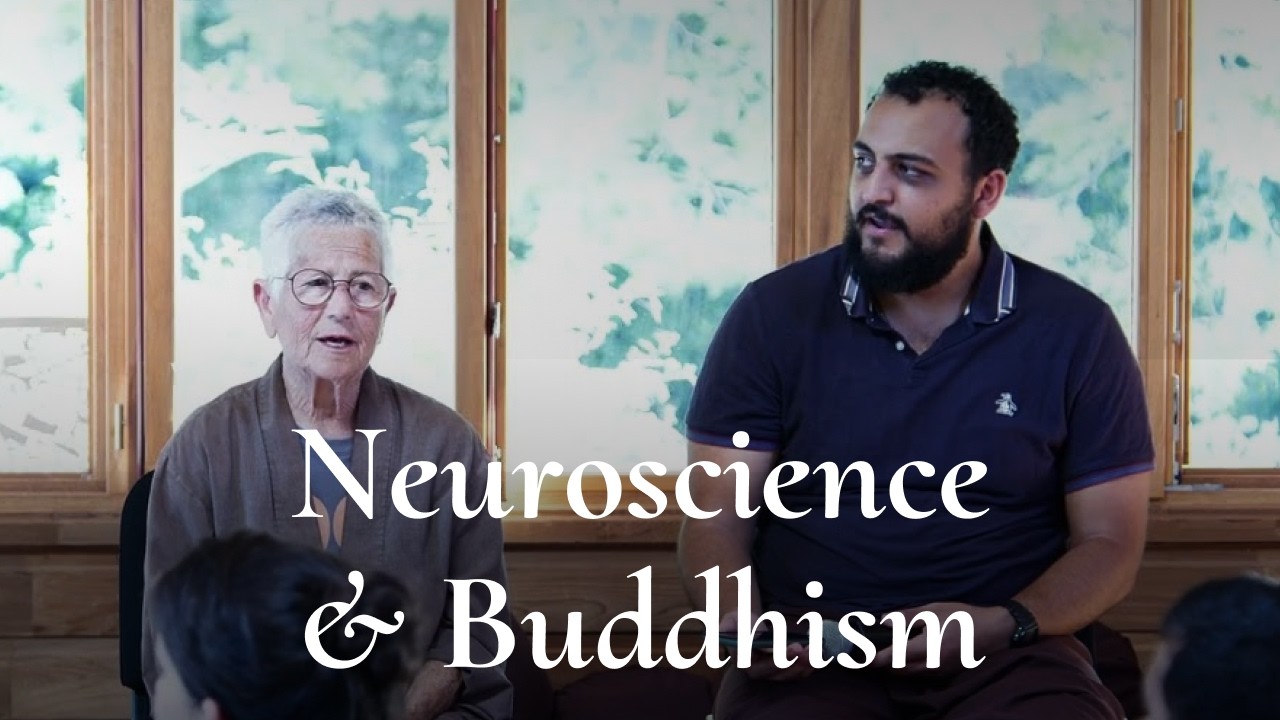
Neuroscience & Buddhist Psychology: Regulating Your Nervous System
Featured

Neuroscience & Buddhist Psychology: Regulating Your Nervous System

Learn how Buddhist practice and neuroscience combine to help you read your nervous system signals and maintain emotional balance during unce…

1 min read

Keep exploring

Continue your journey

More wisdom and gatherings from across the BrightStar directory.

More Articles

Browse the full library of teachings, interviews, and guides.

Back to all articles →

Teachers & Artists

Explore the lineages, musicians, and guides of the conscious world.

Explore artists →

Find an Event

Kirtan, retreats, sound baths, breathwork, festivals — happening soon.

Browse events →