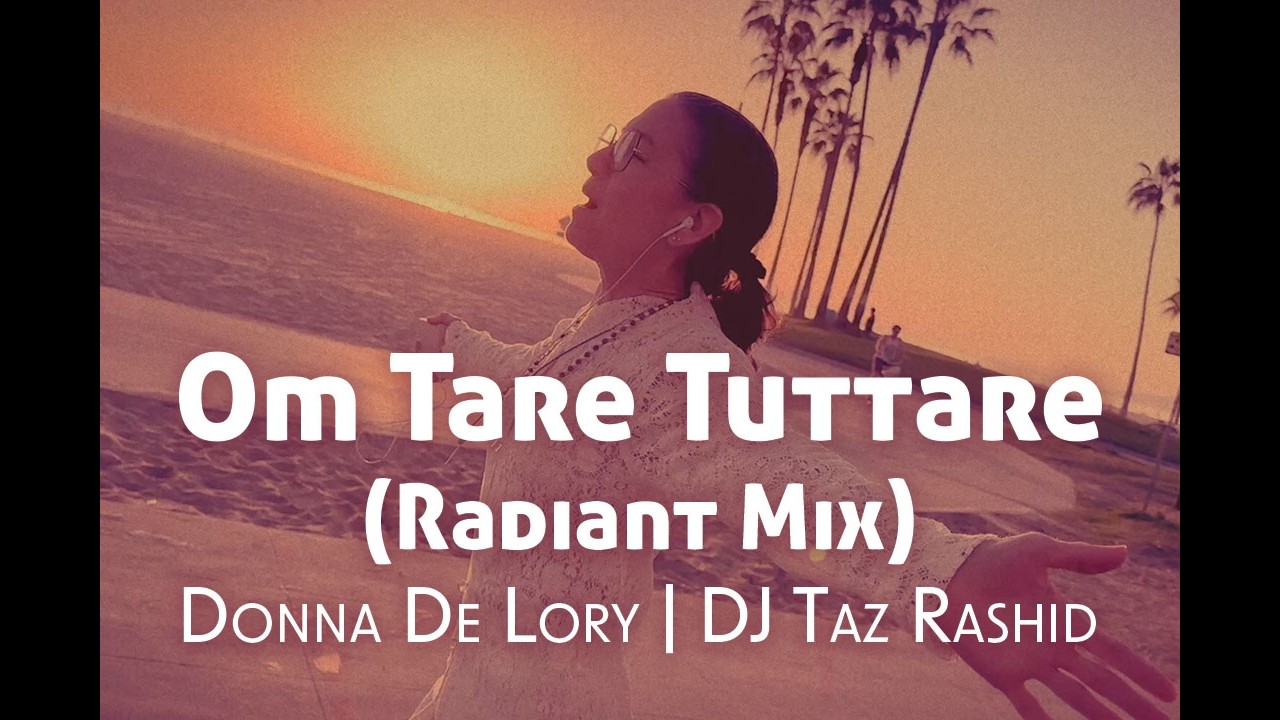
"Sky Is Open" is a devotional song about the liberation that comes from releasing the past, surrendering attachment, and recognizing that when one door closes, another inevitably opens. The central metaphor—an open sky inviting flight—points to a fundamental spiritual truth: freedom is not something granted from outside, but something you allow yourself to experience by letting go. The song draws on contemplative traditions where non-resistance and trust become the gateway to living the life you've always wanted.
What Does It Mean When the Sky Is Open?
The recurring image in the song—"you see the sky is open, now so you can fly"—operates as both literal invitation and spiritual metaphor. In the opening moments, the singer establishes a tone of release: "It's over, now it's all behind you now, you can walk away." This is not mere sentiment; it describes a psychological and spiritual threshold. The past, which once occupied your entire field of vision, has been processed and completed. The singer doesn't say the past was never hard or that pain should be denied. Rather, she invites the listener to recognize that the past is behind, and therefore the forward space—the sky—has opened.
This mirrors teachings found in various contemplative traditions where the present moment is described as fundamentally unconditioned by what came before. The sky, in this context, represents possibility itself: not a specific promise of what will happen next, but the simple truth that you are no longer trapped in a closed room of your own previous experience. The capacity for flight is always available; the recognition of an open sky is what allows you to actually use it.
The Threshold of Surrender: What Sets You Free
Early in the song, there's a crucial turning point: "You love, let it on to set you free, the world is yours now." The grammar here is deliberately poetic, but the meaning is clear—love itself, or perhaps the surrender into love, is what liberates. This echoes ancient wisdom about the paradox of letting go: the very thing that feels risky (releasing your grip on what you think you need) is what actually opens your hands to receive more.
The singer doesn't ask you to believe this intellectually. Instead, she plants it rhythmically and melodically, so that the body—which often knows before the mind—can feel the truth. "The world is yours now to have all you dream, it's more than you ever can believe." Notice the specificity: not "everything you want" in the abstract, but "all you dream." This suggests that the things you genuinely long for (as opposed to things you think you should want) are already aligned with the opening that surrender creates.
When One Door Closes, Another Opens: The Law of Flow
One of the song's central teachings appears in the lines: "You see the rain is coming down, but watch—one door is closing, another opens, a new light." This is not optimism in the sense of denying difficulty. The rain is coming down; doors are closing; something is being taken away or ended. The teaching is not that these things won't happen, but that they are not catastrophic unless you resist them as if they should be different.
This is a direct parallel to the Taoist principle of wu wei (non-resistance) and the Buddhist concept of acceptance without clinging. The door closes—a relationship ends, a job is lost, a phase of life concludes—and in the very moment of closing, another opens. The two are simultaneous, not sequential. You don't have to wait for one loss to be fully processed before the next door appears. Yet most people, the song suggests, are so focused on the closing door that they don't notice the opening one right beside it.
You're Not Alone: The Hidden Support System
After describing this process of release and flow, the song affirms: "You're not alone, all that's possible for you is your all you dream." This matters deeply. The journey of surrender can feel isolating—like you're the only one crazy enough to trust an open sky instead of holding tight to what you know. But the teaching here is that this openness is universal. Whatever you dream is already possible because the conditions that make it possible are not unique to you; they're built into the fabric of how things work.
The promise is not that you'll get what you want. It's more radical: it's that what you genuinely dream—what you dream not from fear or desperation, but from your deepest sense of what's true for you—is already aligned with the way life unfolds when you stop resisting. "You find your life is going to be everything you see," the singer says, suggesting that inner vision and outer reality are not separate; they interpenetrate.
The Practice: Paradise Is in Letting Go
The song's practical instruction becomes clearer in the second half: "Paradise in front of you, let go, fly—it's all you have to do." This is both humble and demanding. The paradise you're seeking is not elsewhere. It's in front of you, available right now, but invisible to a mind that's contracted in resistance. The instruction is stripped down to its essence: let go, fly. That's it. That's the whole practice.
In Buddhist meditation language, this parallels the instruction to "see what is and let it be." In Christian contemplative practice, it echoes "Thy will be done." In Sufi poetry, it's the annihilation of self-will into divine will. Different traditions, same teaching: the removal of your resistance is what allows the inherent motion of grace—or life, or love—to carry you.
The song doesn't suggest this is easy. The fact that she repeats the instruction so many times—"let go and fly, it's all you have to do"—suggests it's simple but not easy. You know what to do. The hardness is in the doing, in the trust required to actually loosen your grip when everything in your conditioned mind is screaming that you'll fall.
Hearing Your Own Heart: The Inner Compass
Toward the end, the song shifts slightly: "You see the sky is open now to hear your heart." Here, the open sky becomes a precondition for inner hearing. When your attention is consumed by what's closing—the doors shutting, the rain falling—you can't hear your own heart. It's not that your heart has stopped speaking; it's that you can't hear it over the noise of your resistance.
But when the sky opens, when you let go, there's a space where your own deepest knowing becomes audible again. This is not the voice of fear or survival instinct; it's the voice of your actual life-direction, the thing that wants to move through you when you're not in the way.
Where to Go From Here
The work of "Sky Is Open" is not to give you something new to believe, but to invite you into an experiment with your own direct experience. The next time you notice yourself holding tight—to a relationship that's already ended, to a version of yourself that's being shed, to control over outcomes—pause and ask: what if I let go here? Not in a resigned or depressed way, but as a genuine test. What becomes visible or possible when I remove my resistance?
The song also works best not as an intellectual exercise but as a meditation. Listening to it repeatedly, letting the melody and words settle into your body, can slowly reprogram the nervous system's default response to change from "hold tight" to "let go and flow." This is how contemplative music works—not by convincing your mind, but by training your organism toward trust.